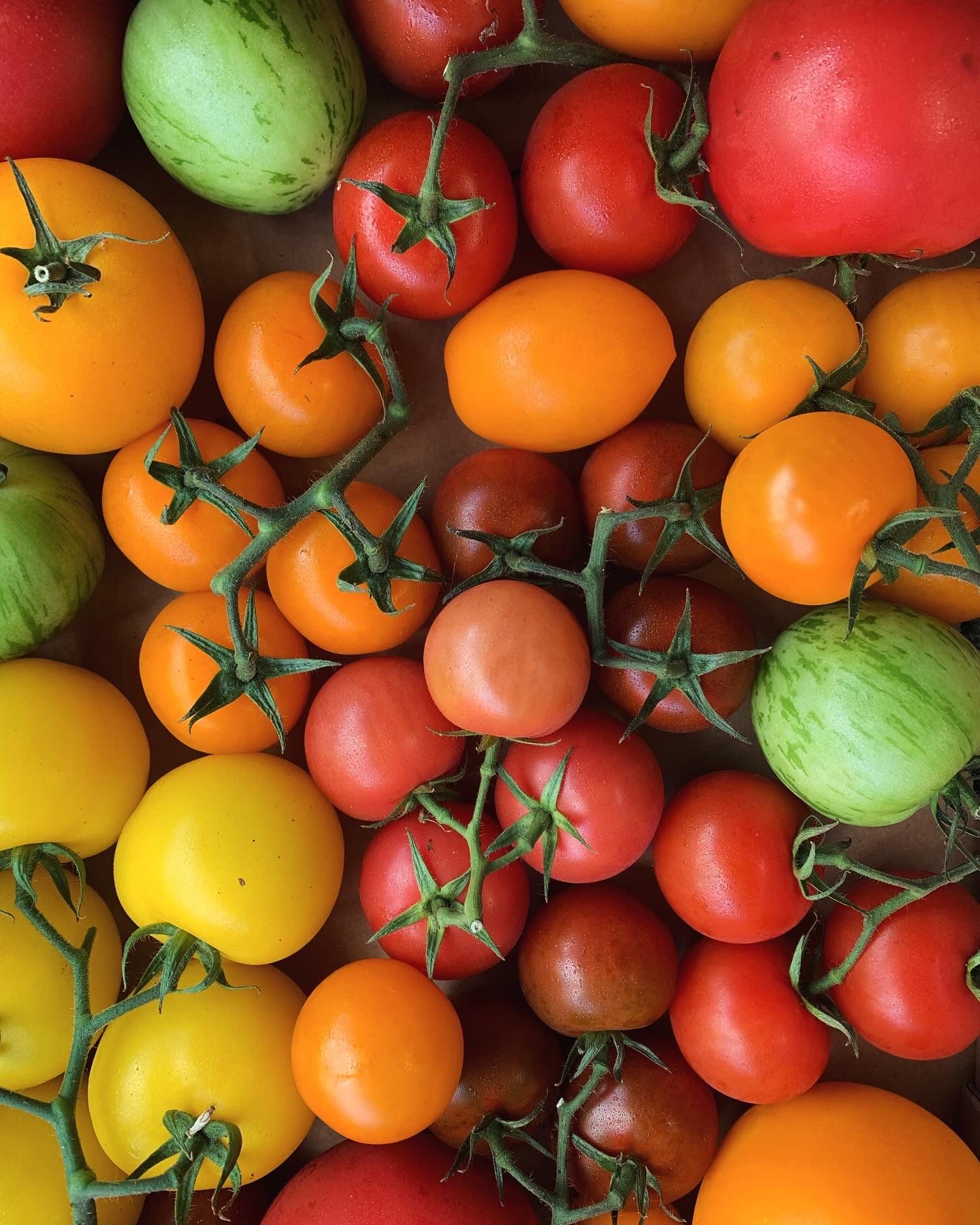
Choose Organic
Why Choose Organic?
The term organic refers to products that have been produced to certain standards. This includes crops, livestock, and textiles. By choosing to buy organic your helping to support people and businesses that invest in a farming system that is:
Better for the planet
Has higher animal welfare standards
Better for wildlife
Better for people
I've included some information below from the Soil Association (Why organic? | Soil Association) and Pesticide Action Network UK (Key Issues - Pesticide Action Network UK) to explain further:
Better for the Planet
Organic farming is leading the way on sustainability. It is designed to respect nature and to enhance the health of soils, water and air. Organic farming lowers the risk of environmental pollution and helps reduce greenhouse gas emissions by severely restricting the use of manufactured chemical fertilisers and pesticides, which come from burning fossil fuels.
Pesticides are toxic chemicals designed to be deliberately released into the environment. Although each pesticide is meant to kill a certain pest, a very large percentage of pesticides reach a destination other than their target. Pesticides easily contaminate the air, ground and water when they run off from fields, escape storage tanks, are not discarded properly, and especially when they are sprayed aerially.
Animals may be poisoned by pesticide residues that remain on food after spraying. An application of pesticides in an area can eliminate food sources that certain types of animals need, causing the animals to relocate, change their diet, or starve. Poisoning from pesticides can even make its way up the food chain; for example, birds can be harmed when they eat insects and worms that have consumed pesticides.
Higher Animal Welfare Standards
Smaller flocks and herds, and more access to the outdoors means organic animals don’t have to be routinely treated with antibiotics and wormers, and mutilations like beak-tipping to prevent the aggressive side effects of stress are also not needed, or allowed.
Our eggs and dairy from certified organic farms and producers.
Better for Wildlife
41% of Britain’s wildlife species have declined since 1970, and more than 1 in 10 are currently facing extinction. Intensive farming practices, especially pesticide use, have been identified as the main driver of these declines. Did you know? For every 10% increase in bee-friendly habitats - like that found on organic farms - bee numbers and diversity increases by over a third!
Because organic farmers rely on healthy ecosystems to control pests and protect their soils, they tend to farm in a way that encourages wildlife, like planting trees, ‘beetle banks’ and wildflower margins, and digging ponds around their fields. This means organic farms are more ecologically diverse.
Organic farming supports cleaner water for wildlife. The nitrogen fertilisers used in conventional farming can create ‘ocean dead zones’ which deprive life below water of vital oxygen. This can kill fish and other aquatic life. Organic standards ban the use of these manufactured fertilisers, lowering the risk of pollution in rivers, seas and waterways
Better for People
There is a growing body of evidence linking pesticides to a range of serious health problems including cancer, Parkinson’s, asthma and depression and anxiety. In the UK, we are constantly exposed to pesticides through our diets, as well as via spraying on farms in rural areas and by local councils and other land managers in urban spaces.
Organic farming joins the dots between our own health and the health of our planet, our animals and our wildlife:
Food that contains fewer pesticides
The best way to reduce your exposure to pesticides in food is to buy organic. Certified organic food, including fruit and vegetables, processed food and meat and dairy products will, overall, contain less pesticides.
Fewer additives and preservatives
The use of additives and processing aids is heavily restricted in organic. Organic standards prohibit:
Hydrogenated fats, controversial artificial food colourings, sweeteners and preservatives, like tartrazine and aspartame and prevent organic fruit and vegetables from being washed in chlorine
No GM ingredients
Organic food systems are opposed to GM, for environmental, health and social reasons, and all GM ingredients are banned under organic standards.
Their limited capability, plus the high cost of producing a commercial GM crop or animal, means that the technology is often targeted at profitable, but short-term fixes that don’t address root causes.
Organic systems work to find solutions to underlying causes rather than symptoms. For example, rather than tweaking a gene in livestock for short-term disease resistance, organic farming aims to reduce the likelihood of disease in the first place, usually through higher welfare standards.
Whilst GM foods are very limited in the UK, most non-organic livestock are fed them. As such GM-fed meat, egg and dairy is widespread and unlabelled in supermarkets.
Food produced using fewer antibiotics
The overuse of antibiotics in human and animal medicine is undermining their ability to cure life-threatening infections. The more sparingly we use our antibiotics, the more effective they will remain.
With farm animals accounting for 30% of all antibiotics used in the UK, organic farming standards, which ban the routine use of antibiotics, can help minimise antimicrobial resistance and protect the effectiveness of these treatments.
Food from more resilient farms
In the face of changing weather patterns on a warming planet, organic farms are more resilient to the effects of climate change; soils on organic farms store up to twice as much water, helping to protect against flooding, and performing better during drought. What’s more, because organic farms are more diverse, using methods like agroforestry to grow other crops, organic farmers are less dependent on the success of a single crop, offering alternatives in the event of crop failures or volatile markets.
So why wait? See what small changes to organic you can make today and lets build a better food system together!
© 2026 - Omnom
Powered by
